Dr Shimon Aronhime MD/varicose-veins-pregnancy-israel.png)
Varicose Veins During Pregnancy — What’s Safe, What’s Not, and When to Treat
Endovascular Surgeon & Interventional Radiologist — trained at Mount Sinai & Columbia University / NYP, New York. Founder of Israel Vein Center; Senior Attending, Shamir Medical Center.
Pregnancy is the second most significant risk factor for developing varicose veins, after genetics. At least 30–40% of pregnant women develop new varicosities or worsening of existing ones. Many women suffer in silence because they assume “nothing can be done” during pregnancy. Not exactly true. This article explains what happens to your veins in pregnancy, what is safe to do, and when treatment becomes the right call postpartum.
Why Does Pregnancy Cause Varicose Veins?
Three main mechanisms drive varicose vein development in pregnancy:
- Increased blood volume — Blood volume increases by 40–50% in pregnancy. Veins, being elastic vessels, dilate in response to higher volume — and when they dilate, the one-way valves inside them lose their competence. Once a valve fails to close properly, blood begins to reflux downward.
- Hormonal changes — Progesterone, the dominant pregnancy hormone, relaxes smooth muscle — including in vein walls. Softer, more distensible veins = larger venous capacity = increased reflux.
- Uterine compression — By the third trimester, the enlarging uterus compresses the inferior vena cava and pelvic veins, impeding return of blood from the legs and increasing venous pressure throughout the lower limb.
What Is Safe During Pregnancy
Compression stockings — the only approved treatment during pregnancy
All other treatments — sclerotherapy, RFA, VenaSeal — are contraindicated in pregnancy. Compression stockings are the safe, effective, evidence-based approach to managing venous symptoms during pregnancy.
- Class 1 (15–20 mmHg) — Adequate for most pregnant women with mild symptoms
- Class 2 (20–30 mmHg) — For women with documented venous insufficiency, DVT history, or significant symptoms
Put them on in the morning before getting out of bed — before fluid accumulates in the legs. Remove before sleep.
Lifestyle measures: Daily walking (activates the calf muscle pump), leg elevation when resting, avoiding prolonged standing, sleeping on the left side (reduces inferior vena cava compression).
What Is Not Safe During Pregnancy
- No sclerotherapy — sclerosants are not approved for use in pregnancy
- No RFA or VenaSeal
- Do not ignore DVT warning signs: sudden pain, warmth, redness, unilateral swelling — these require immediate medical evaluation
After Delivery — When Can You Treat?
- Vaginal delivery: 3 months postpartum
- Cesarean section: 6 months postpartum
- Breastfeeding: Advisable to complete breastfeeding before sclerotherapy
Pregnancy hormones continue circulating after delivery, the uterus contracts gradually, and blood volume normalizes over weeks. Varicosities formed in pregnancy may improve somewhat — so waiting 3 months before final assessment avoids over-treating veins that would have improved spontaneously.
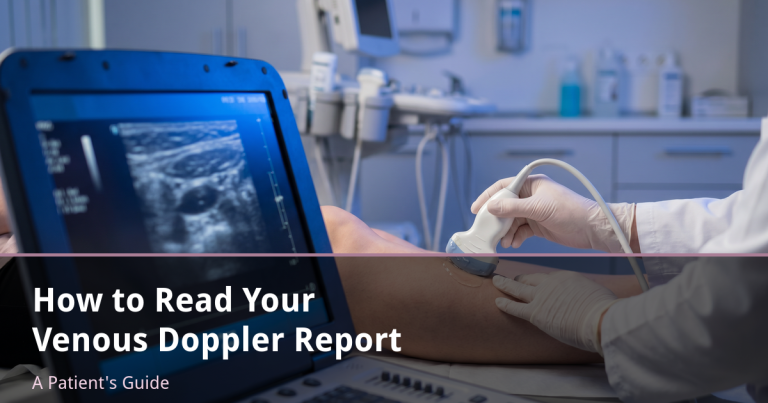
After the minimum waiting period, a duplex ultrasound assessment with Dr. Aronhime will identify whether underlying venous insufficiency is present and determine the appropriate treatment plan.
Frequently Asked Questions
Are varicose veins during pregnancy dangerous?
In most cases, pregnancy varicose veins are not life-threatening, but they can cause significant discomfort, heaviness and swelling. Pregnancy increases DVT (deep vein thrombosis) risk, so sudden leg pain, localized redness, warmth or unilateral swelling should be reported to your doctor immediately.
Can varicose veins be treated during pregnancy?
No. Sclerotherapy, RFA and VenaSeal are all contraindicated during pregnancy. The only safe treatment during pregnancy is compression stockings. Wait until after delivery and cessation of breastfeeding before considering invasive treatment.
Will pregnancy varicose veins disappear after birth?
Some mild pregnancy varicosities improve after delivery as uterine pressure decreases. However, varicose veins based on underlying structural venous insufficiency do not resolve spontaneously and tend to worsen with subsequent pregnancies. A duplex ultrasound assessment is recommended 3-6 months postpartum.
How long after birth should I wait before treating varicose veins?
At least 3 months after vaginal delivery, and 6 months after cesarean section. If breastfeeding, it is advisable to complete breastfeeding before sclerotherapy.
What compression stocking grade is right during pregnancy?
Class 1 (15-20 mmHg) is appropriate for most pregnant women with mild symptoms. Class 2 (20-30 mmHg) may be more appropriate for those with documented venous insufficiency or significant symptoms — consult your physician.
Will they disappear after birth?
Mild varicosities may improve. Those based on structural venous insufficiency persist and may worsen with subsequent pregnancies. Assess at 3–6 months postpartum.
How long to wait after birth?
3 months after vaginal delivery; 6 months after cesarean. Complete breastfeeding before sclerotherapy.
What compression grade during pregnancy?
Class 1 (15–20 mmHg) for mild symptoms. Class 2 (20–30 mmHg) for documented venous insufficiency.
Book a postpartum vein assessment: 073-3744040
Contact Us | Varicose Vein Information | Sclerotherapy
Ready to Book a Consultation?
Duplex ultrasound mapping included at the first visit
Israel Vein Center — Lilienblum 17, Tel Aviv