Dr Shimon Aronhime MD/signs-need-vein-doctor-israel.png)
10 Signs You Need to See a Vein Doctor
Endovascular Surgeon & Interventional Radiologist — trained at Mount Sinai & Columbia University / NYP, New York. Founder of Israel Vein Center; Senior Attending, Shamir Medical Center.
Many people dismiss leg symptoms as “just being on their feet all day” or a natural part of ageing. But chronic venous disease is progressive — symptoms that start as a minor inconvenience can develop into significant complications including venous ulcers if left untreated. Here are ten signs that you should book a vein assessment.
1. Visible Varicose Veins
Bulging, rope-like veins visible beneath the skin are a classic sign of venous insufficiency. Varicose veins form when the valves inside the saphenous veins fail, allowing blood to pool rather than flow upward toward the heart. They are not just cosmetic — they indicate venous hypertension that can worsen over time.
2. Heavy, Aching Legs
A sensation of heaviness, fatigue, or dull aching in the legs — particularly after prolonged standing or sitting — is one of the most common symptoms of chronic venous insufficiency (CVI). The symptom typically improves with leg elevation and worsens as the day progresses.
3. Ankle or Calf Swelling
Edema (swelling) of the ankles and lower legs that is worse in the evening and improves overnight is a hallmark of venous disease (C3 in the CEAP classification). While edema has many causes, venous insufficiency is one of the most common — and one of the most treatable.
4. Spider Veins That Are Multiplying
Small networks of dilated capillaries (telangiectasias or spider veins) are often cosmetic, but rapidly multiplying spider veins can indicate underlying venous insufficiency. A duplex ultrasound can determine whether deeper venous reflux is feeding the surface vessels.
5. Itching or Burning Over a Vein
Itching, burning, or throbbing directly over a varicose vein is a sign of venous inflammation. This should not be ignored — untreated inflammation can progress to superficial thrombophlebitis (clot in a surface vein) or skin changes.
6. Skin Changes Around the Ankles
Brownish discoloration (lipodermatosclerosis), eczema-like rash, or hardening of the skin around the inner ankle are signs of C4 venous disease — indicating significant venous hypertension. Skin changes are a warning sign that venous ulceration is possible.
7. A Healed or Open Leg Ulcer
Venous ulcers — open wounds typically near the inner ankle — represent advanced chronic venous disease (C5/C6). They are notoriously slow to heal and have a high recurrence rate without treating the underlying venous insufficiency. A healed ulcer (C5) in particular warrants urgent treatment to prevent recurrence.
8. Night Cramps or Restless Legs
While not exclusive to venous disease, nocturnal leg cramps and restless legs syndrome (RLS) are more common in patients with venous insufficiency. Treating the venous disease often significantly improves these symptoms.
9. A Family History of Varicose Veins
Chronic venous disease has a strong genetic component. If both parents have varicose veins, your risk of developing them exceeds 90%. If you have a first-degree relative with significant venous disease — especially if you have any symptoms — a baseline duplex ultrasound is worthwhile.
10. Your Symptoms Are Affecting Your Quality of Life
Pain, fatigue, or embarrassment from varicose veins that is affecting your daily activities, sleep, work, or willingness to wear shorts is a valid reason to seek evaluation. Minimally invasive treatment today means most patients return to normal activity within 24-48 hours.
What Happens at a Vein Consultation?
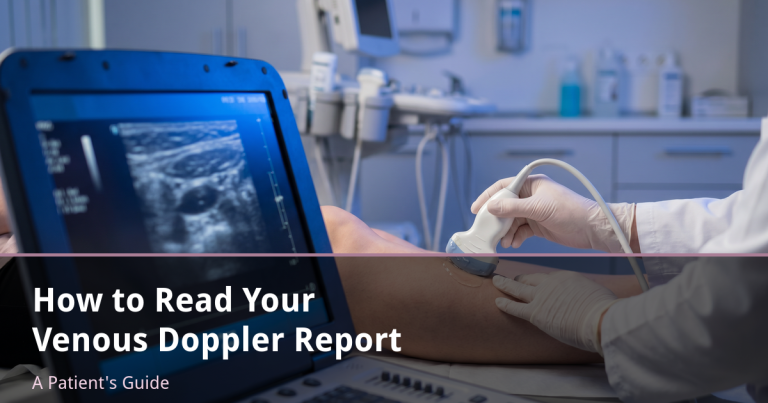
At Israel Vein Center, your first appointment includes a full clinical examination and a duplex ultrasound performed on the same day. The ultrasound maps your entire venous system, identifies any refluxing veins, and determines the CEAP stage of your disease. You leave with a diagnosis and personalized treatment plan — not a referral to another appointment.
Frequently Asked Questions
At what stage should I start treatment?
The best time to treat is before complications develop. C2 (varicose veins without symptoms) is a good time to intervene. By C4 (skin changes), treatment is urgent. Don’t wait for an ulcer.
Are my symptoms definitely from varicose veins?
Many venous symptoms are non-specific and overlap with other conditions. Only a duplex ultrasound can confirm whether your symptoms are venous in origin. That’s why we include it in the first consultation.
Can exercise help?
Regular walking activates the calf muscle pump and helps venous return. Exercise will not cure venous insufficiency, but it reduces symptom severity and slows progression. Compression stockings during prolonged standing also help.
Is venous disease dangerous?
Advanced venous disease (C4-C6) significantly impacts quality of life. There is also an association between chronic venous disease and DVT (deep vein thrombosis) risk. Treating symptomatic venous insufficiency reduces this risk.
Book your duplex ultrasound assessment: 073-3744040
Contact Israel Vein Center
Treatment guides: RFA | VenaSeal | Sclerotherapy | About Dr. Aronhime
Ready to Book a Consultation?
Duplex ultrasound mapping included at the first visit
Israel Vein Center — Lilienblum 17, Tel Aviv