Dr Shimon Aronhime MD/spider-vein-treatment-tel-aviv.png)
Spider Veins: Cosmetic Problem or Medical Issue?
Endovascular Surgeon & Interventional Radiologist — trained at Mount Sinai & Columbia University / NYP, New York. Founder of Israel Vein Center; Senior Attending, Shamir Medical Center.
Spider veins (telangiectasias) are one of the most common reasons people seek a vein consultation — but they are also one of the most misunderstood. The quick answer: spider veins are sometimes purely cosmetic, and sometimes a visible sign of underlying venous insufficiency. Knowing which you have changes everything about the correct treatment approach.
What Are Spider Veins?
Spider veins are small, dilated blood vessels just beneath the skin surface, typically 0.1-2mm in diameter. They appear as red, blue, or purple networks resembling a spider’s web, sunburst, or branching pattern. They most commonly appear on the thighs, calves, and ankles — and less commonly on the face.
Spider veins are different from varicose veins, which are larger, bulging, and involve deeper venous structures. However, the two often coexist, and spider veins can be fed by the same refluxing saphenous veins that cause varicose veins.
When Spider Veins Are Cosmetic Only
Spider veins are cosmetic when:
- They are small and isolated, without associated symptoms
- There are no signs of venous insufficiency on duplex ultrasound (no reflux in the saphenous system)
- They appear after hormonal changes, prolonged sun exposure, or pregnancy — common triggers
- There is no associated edema, heaviness, or aching
In these cases, treatment is elective. Sclerotherapy produces excellent cosmetic results and is the appropriate treatment. The cost is ₪1,500 per session.
When Spider Veins Signal Underlying Venous Disease
Spider veins may indicate underlying venous insufficiency when:
- They are extensive, rapidly multiplying, or cover a large area
- They are accompanied by leg heaviness, aching, or ankle swelling
- They appear on the inner ankle (corona phlebectatica) — a specific pattern that strongly correlates with saphenous insufficiency
- There are associated varicose veins
- Duplex ultrasound reveals saphenous vein reflux
In these cases, treating only the surface spider veins with sclerotherapy is likely to produce poor results — because the underlying high pressure from venous insufficiency continues to fill the surface vessels. The correct approach is to treat the saphenous reflux (with RFA or VenaSeal) first, then address residual spider veins with sclerotherapy.
Why Duplex Ultrasound Matters for Spider Veins
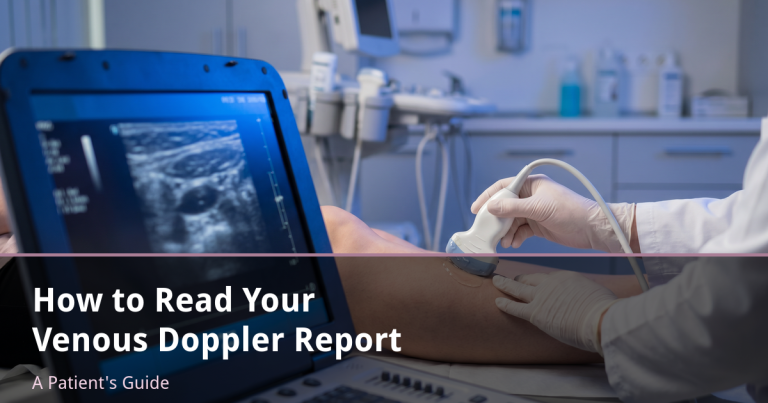
You cannot reliably distinguish “cosmetic” from “venous insufficiency-driven” spider veins by looking at them. The only reliable way is a duplex ultrasound. This is why at Israel Vein Center, the initial consultation for spider veins includes a full duplex ultrasound — not just a visual assessment.
Studies show that a significant proportion of patients presenting with spider veins have coexisting saphenous insufficiency that is not apparent on clinical examination alone. Treating without the ultrasound leads to poor long-term results.
Sclerotherapy: How It Works
Sclerotherapy is the gold standard treatment for spider veins. A sclerosant solution is injected directly into the target vessels using a very fine needle. The solution irritates the vessel lining, causing it to seal shut and gradually be absorbed by the body.
What happens in a session:
- 30-45 minutes per session
- Multiple small injections with a very fine needle
- Mild stinging during injections — well tolerated without anesthesia
- Compression stocking worn for 24-48 hours after treatment
- Immediate return to normal activity
Results: Spider veins begin to fade over 3-6 weeks. Final results are visible at 3-4 months. Most patients need 2-4 sessions for complete clearance. Cost: ₪1,500 per session.
Laser vs Sclerotherapy for Spider Veins
External laser (IPL or Nd:YAG) is sometimes used for very fine facial telangiectasias. For leg spider veins, sclerotherapy is generally preferred: it reaches inside the vessel, requires fewer sessions, and is more cost-effective. Laser can be useful for vessels too small to inject.
What Causes Spider Veins?
- Genetics — the strongest risk factor. Family history increases risk significantly
- Pregnancy — hormonal changes and increased blood volume stress the venous system
- Prolonged standing — increases venous pressure
- Obesity — additional mechanical pressure on leg veins
- Hormonal factors — oral contraceptives, IVF, menopause
- Age — vein walls weaken over time
- Sun exposure — particularly for facial telangiectasias
Preventing New Spider Veins
Spider veins cannot be completely prevented if you have a genetic predisposition. However, the following reduce risk and slow progression:
- Regular exercise — the calf muscle pump is the primary driver of venous return
- Compression stockings during prolonged standing or air travel
- Maintaining a healthy weight
- Avoiding prolonged sitting or standing without movement breaks
Frequently Asked Questions — Spider Veins
Are spider veins dangerous?
Isolated cosmetic spider veins are not dangerous. However, if they are accompanied by venous insufficiency (identified on ultrasound), that underlying condition should be treated — not because of the spider veins themselves, but because venous insufficiency can progress to more serious complications.
Do spider veins come back after sclerotherapy?
Treated vessels are permanently closed. New spider veins can develop over time due to genetic factors — this is not a treatment failure but the natural course of the disease. Annual maintenance sessions are common for patients with a strong family history.
Can I have sclerotherapy during pregnancy?
No. Sclerotherapy is contraindicated during pregnancy. Many pregnancy-related spider veins improve spontaneously after delivery, so we recommend waiting 3-6 months postpartum before assessing and treating.
How many sessions will I need?
Most patients with mild to moderate spider veins need 2-4 sessions. Extensive veins or those with underlying venous insufficiency may need more sessions after the primary cause is treated.
Is laser better than sclerotherapy?
For most leg spider veins, sclerotherapy gives better results with fewer sessions. Laser may be preferred for very fine vessels (less than 0.3mm) or for facial vessels. At your consultation we will recommend the appropriate modality for your specific case.
Book a spider vein consultation: 073-3744040
Contact Israel Vein Center |
Spider Veins Page (Hebrew)
Spider vein treatment: Sclerotherapy — Complete Guide
Ready to Book a Consultation?
Duplex ultrasound mapping included at the first visit
Israel Vein Center — Lilienblum 17, Tel Aviv